Why the Dinosaur Age Experienced Extreme Climate Shifts: Why Did Earth Periodically Become Hotter During the Age of Dinosaurs?
The world of the dinosaurs is often imagined as a stable environment with few major climate changes. However, recent scientific studies suggest otherw
Why Did Earth Periodically Become Hotter During the Age of Dinosaurs?
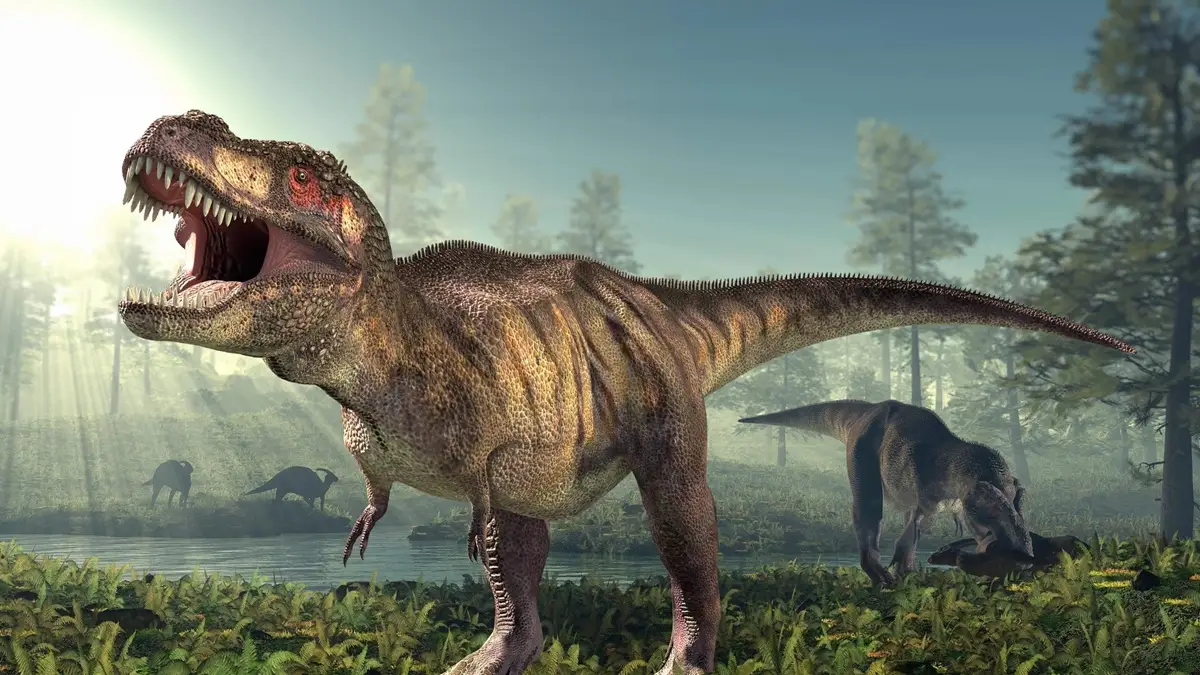
The world of the dinosaurs is often imagined as a stable environment with few major climate changes. However, recent scientific studies suggest otherwise. Beneath its seemingly calm surface, Earth’s climate was constantly changing throughout that era.
Evidence from sediment records indicates that subtle variations in Earth’s rotation and orbit influenced the climate during the Cretaceous Period. These cycles, recurring over thousands of years, may have periodically pushed the planet into warmer and drier conditions.
Earth Does Not Move in a Perfectly Stable Way
The regular cycle of sunrises, sunsets, and seasons may make Earth’s movements appear constant. In reality, however, Earth is not a perfectly stable machine.
Earth rotates on its axis (rotation) and revolves around the Sun (revolution). Beyond these motions, the tilt of Earth’s axis (obliquity), the shape of its orbit (eccentricity), and the direction of its axis (precession) also change over time.
Although these changes are extremely slow and imperceptible within a human lifetime, over thousands and millions of years they alter the distribution of solar energy reaching Earth, leading to significant climate variations.
Earth Wobbles Like a Spinning Top
Anyone who has watched a spinning top has seen its axis slowly wobble as it spins. Earth’s axis behaves in a similar way. This motion is known as precession.
Due to the gravitational influence of the Moon and the Sun, Earth’s axis gradually changes direction. One complete precession cycle takes approximately 26,000 years.
These subtle changes affect how sunlight is distributed across different regions of the planet and can contribute to long-term climate shifts.
Milankovitch Cycles: Three Celestial Climate Clocks
These long-term astronomical variations that influence Earth’s climate are known as Milankovitch Cycles.
The three main components are:
* Obliquity (axial tilt variation): approximately a 41,000-year cycle.
* Eccentricity (orbital shape variation): cycles lasting between 100,000 and 400,000 years.
* Precession (axial wobble): approximately a 26,000-year cycle.
Together, these cycles alter the amount and distribution of solar energy reaching Earth over long periods.
The Cretaceous Greenhouse World
During the late Cretaceous, the world was very different from today.
There were no permanent polar ice sheets. Sea levels were much higher than they are now, and atmospheric carbon dioxide (CO₂) concentrations were several times higher than modern levels. For this reason, scientists often describe the Cretaceous as a “Greenhouse Earth.”
Yet even this warm world was not completely stable.
Researchers studying sediment cores from the Songliao Basin in China made an intriguing discovery. Wet and dry climate phases did not occur randomly. Instead, they appeared to repeat in a recognizable pattern every 4,000 to 5,000 years. The records also revealed shorter climate cycles lasting between 1,800 and 4,000 years.
These findings suggest that the Cretaceous climate was not static but was shaped by multiple interacting climate oscillations.
A Warning for the Modern World?
Today, atmospheric CO₂ levels continue to rise. Some climate projections suggest concentrations could eventually approach 1,000 parts per million (ppm).
Studies from the Songliao Basin carry an important message: a high-CO₂ world is not necessarily a stable one. Even subtle variations in Earth’s rotational and orbital cycles can influence climate under greenhouse conditions.
As a result, scientists believe that understanding the climate history of ancient greenhouse worlds can provide valuable insights into Earth’s future.
Earth’s climate has never been perfectly stable. Even during the warm dinosaur era, temperatures and rainfall patterns fluctuated over thousands of years.
As human-driven climate change accelerates today, lessons from Earth’s distant past may offer important clues about how our planet could respond in the future.
Amiot, R., et al. (2011). Oxygen isotopes of East Asian dinosaurs reveal exceptionally variable Cretaceous climates. Proceedings of the National Academy of Sciences (PNAS), 108, 518–523. DOI: 10.1073/pnas.1017562108
Berger, A., Loutre, M. F., & Mélice, J. L. (2006). Equatorial insolation: from precession harmonics to eccentricity cycles. Climate of the Past, 2, 519–533. DOI: 10.5194/cp-2-519-2006
De Winter, N. J., et al. (2014). Orbital forcing of Cretaceous climate variability recorded in carbonate cycles. Climate of the Past, 10, 1–15. DOI: 10.5194/cp-10-1-2014
Feng, D., et al. (2025). Mesozoic atmospheric CO₂ concentrations reconstructed from dinosaur tooth enamel. Proceedings of the National Academy of Sciences (PNAS). DOI: 10.1073/pnas.2504324122
Huber, B. T., MacLeod, K. G., Wing, S. L., et al. (2002). Extreme warmth during the Cretaceous. Geology, 30, 39–42. DOI: 10.1130/0091-7613(2002)030<0039:EWOTC>2.0.CO;2
Ma, C., et al. (2022). High-resolution orbital climate cycles in the mid-Cretaceous greenhouse world. Geology, 50, 227–231. DOI: 10.1130/G49578.1
Royer, D. L. (2006). CO₂-forced climate thresholds during the Phanerozoic. Geochimica et Cosmochimica Acta, 70, 5665–5675. DOI: 10.1016/j.gca.2005.11.031
Wignall, P. B. (2001). Large igneous provinces and mass extinctions. Earth-Science Reviews, 53, 1–33. DOI: 10.1016/S0012-8252(00)00037-4
Zhang, Z., Huang, Y., Wang, T., et al. (2025). Precession-induced millennial climate cycles in greenhouse Cretaceous. Nature Communications, 16, 10696. DOI: 10.1038/s41467-025-66219-4
കാലാവസ്ഥാ നിരീക്ഷണവും ദുരന്തപ്രതികരണവും ശക്തിപ്പെടുത്തും: മന്ത്രി ടി. സിദ്ദീഖ്
പുൽപള്ളി പഴശ്ശിരാജ കോളേജിൽ സ്ഥാപിക്കുന്ന ഡോപ്ലർ റഡാർ (Doppler Radar) സംവിധാനത്തിലൂടെ വയനാട് ജില്ലയിലെ കാലാവസ്ഥാ നിരീക്ഷണം കൂടുതൽ കൃത്യവും കാര്യക്ഷമവുമാക്കാൻ കഴിയുമെന്ന് കൃഷി വകുപ്പ് മന്ത്രി അഡ്വ. ടി. സിദ്ദീഖ് പറഞ്ഞു. പുത്തുമല ഹൃദയഭൂമിയിൽ സംഘടിപ്പിച്ച അനുസ്മരണ പരിപാടിയിൽ സംസാരിക്കുകയായിരുന്നു അദ്ദേഹം.
ഡോപ്ലർ റഡാറിലൂടെ മുൻകൂർ മുന്നറിയിപ്പ്(Early Warning System)
പ്രകൃതി ദുരന്തങ്ങൾ മുൻകൂട്ടി തിരിച്ചറിയാനും അതനുസരിച്ച് സമയോചിതമായ നടപടികൾ സ്വീകരിക്കാനുമുള്ള സംവിധാനങ്ങളാണ് സർക്കാർ നടപ്പാക്കുന്നതെന്ന് മന്ത്രി പറഞ്ഞു. കാലാവസ്ഥ മോശമാകുന്ന സാഹചര്യങ്ങളിൽ സുരക്ഷിത കേന്ദ്രങ്ങളിലേക്ക് മാറ്റി താമസിപ്പിക്കേണ്ട ആളുകളുടെ മാപ്പിങ് (Mapping) നടത്താൻ ബന്ധപ്പെട്ട ഉദ്യോഗസ്ഥർക്ക് നിർദേശം നൽകിയിട്ടുണ്ടെന്നും അദ്ദേഹം വ്യക്തമാക്കി.
അതിജീവന പദ്ധതികൾക്ക് കൂട്ടായ പ്രവർത്തനം(Rehabilitation Efforts)
ദുരന്തബാധിതരായ കുട്ടികളുടെ തുടർപഠനം മുടങ്ങാതിരിക്കാൻ ആവശ്യമായ നടപടികൾ സ്വീകരിച്ചതായും മന്ത്രി പറഞ്ഞു. ത്രിതല പഞ്ചായത്ത് ജനപ്രതിനിധികളും ഉദ്യോഗസ്ഥരും വിവിധ വകുപ്പുകളും ഒറ്റക്കെട്ടായി പ്രവർത്തിക്കുന്നതിലൂടെയാണ് അതിജീവന പദ്ധതികൾ (Rehabilitation Projects) ഫലപ്രദമായി മുന്നോട്ട് പോകുന്നതെന്നും അദ്ദേഹം കൂട്ടിച്ചേർത്തു.
അതേസമയം ദുരന്തബാധിതരുടെ വായ്പകളുമായി ബന്ധപ്പെട്ട വിഷയങ്ങളിൽ അനുഭാവപൂർണമായ തീരുമാനം ഉണ്ടാകുമെന്ന് മന്ത്രി അറിയിച്ചു. ദുരന്തത്തിൽ തകർന്ന ആരാധനാലയങ്ങളുടെ പുനരുദ്ധാരണത്തിനായും ആവശ്യമായ നടപടികൾ സ്വീകരിക്കുമെന്നും അദ്ദേഹം പറഞ്ഞു.
ആത്മവിശ്വാസത്തോടെ മുന്നോട്ട് പോകണം(Message of Hope)
ദുരന്തത്തിന്റെ തീരാത്ത വേദന അനുഭവിക്കുന്ന ജനങ്ങൾക്ക് ആത്മവിശ്വാസം പകരാനും അവരെ കൈപിടിച്ചുയർത്താനും കഴിയുന്നതെല്ലാം ചെയ്യാൻ എല്ലാവരും ഒരേ മനസോടെ മുന്നോട്ടുപോകണമെന്നും മന്ത്രി ടി. സിദ്ദീഖ് ആഹ്വാനം ചെയ്തു.
English Summary : In a major move to bolster climate resilience and disaster response in Wayanad, Kerala Minister Adv. T. Siddique announced the installation of an advanced Doppler Radar System at Pazhassi Raja College, Pulpally.