Your Pet Goldfish into Ponds : Can a Single Goldfish Change the Fate of an Entire Waterbody?
Releasing a pet goldfish into a nearby pond or lake after keeping it in a home aquarium is not uncommon.
Can a Single Goldfish Change the Fate of an Entire Waterbody?
Releasing a pet goldfish into a nearby pond or lake after keeping it in a home aquarium is not uncommon. Many people do so out of compassion, believing they are giving the fish a better life in the wild rather than letting it die. However, a new scientific study warns that this seemingly harmless act could set off a chain of ecological changes capable of transforming an entire aquatic ecosystem over time.
A Small Decision with Big Consequences
At first, nothing appears to change. But beneath the water’s surface, a slow and often invisible transformation begins. Sediments on the lakebed are disturbed, water clarity declines, microbial communities shift, food webs weaken, and eventually the entire character of the waterbody can change.
What the New Study Reveals
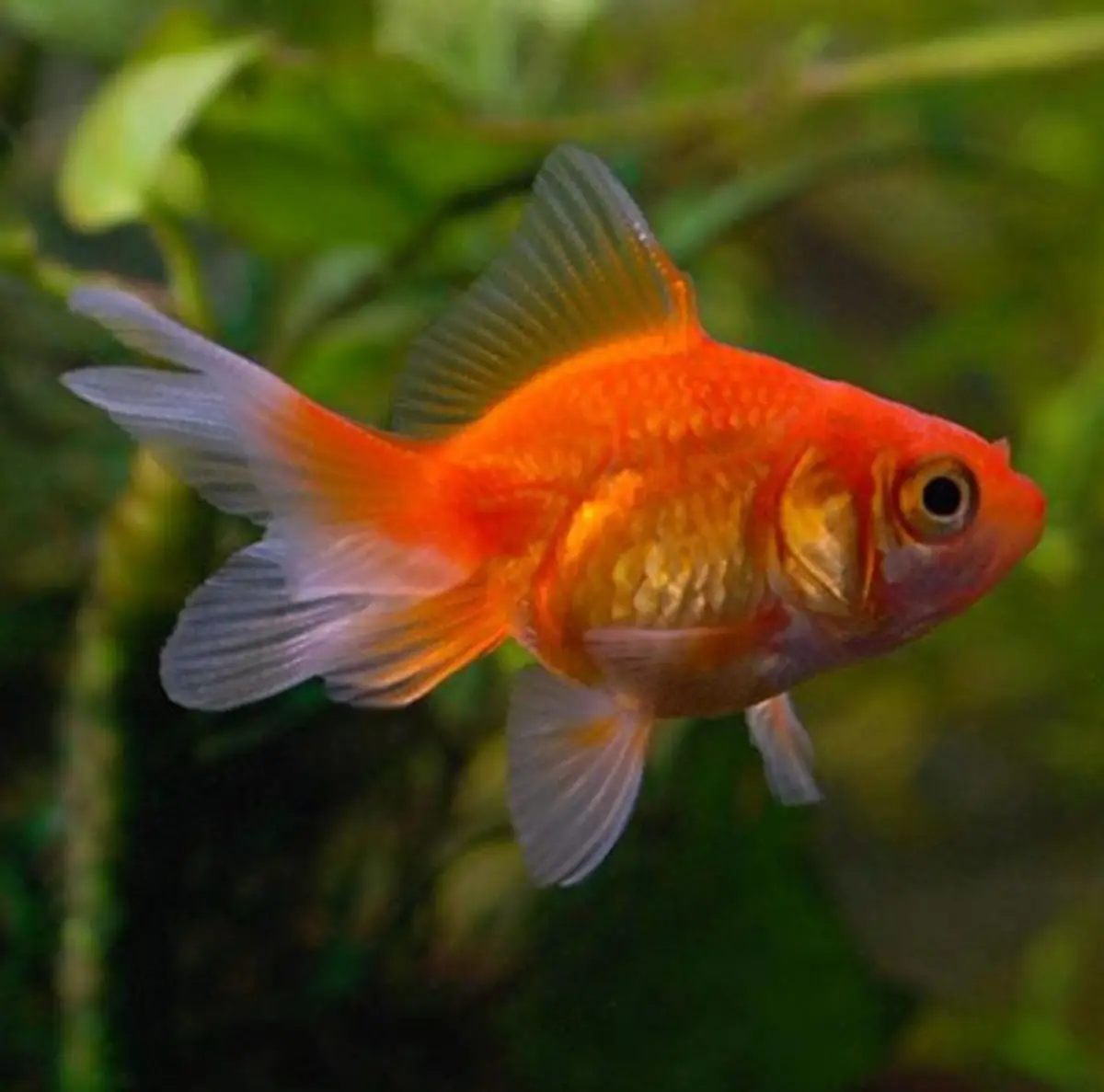
Native to East Asia, the goldfish (Carassius auratus) has become an invasive species in many parts of the world. According to the study, goldfish do more than simply increase fish numbers—they can fundamentally alter how freshwater ecosystems function.
From Pet Fish to Invasive Species
An invasive species is an organism introduced by humans into a new environment, where it spreads rapidly and harms native wildlife and ecosystems.
Once released into natural waters, goldfish reproduce quickly and can establish dominant populations, often outcompeting native species.
Why Are Goldfish a Threat?
Goldfish feed by rooting through bottom sediments. This constant disturbance stirs up mud and releases nutrients trapped in the lakebed. As a result:
* Water becomes murkier.
* Aquatic plants decline.
* Nutrient levels increase.
* The ecological balance begins to shift.
Because of their ability to physically reshape habitats, some ecologists classify goldfish as ecosystem engineers.
How the Research Was Conducted
Rather than studying only natural lakes, researchers created large experimental waterbodies known as mesocosms, designed to mimic real freshwater ecosystems.
They conducted two types of experiments:
* Substitutive design: Goldfish replaced other fish while keeping the total fish population constant.
* Additive design: Goldfish were added, increasing the total number of fish.
This approach allowed scientists to determine whether ecosystem changes were caused simply by having more fish or by the unique behavior of goldfish.
How One Fish Can Transform a Lake
As goldfish stir up sediments, nutrients such as phosphorus and nitrogen are released into the water. These nutrients fuel excessive algal growth, reduce water clarity, and suppress aquatic vegetation. The result is a simultaneous alteration of the lake’s physical, chemical, and biological conditions.
The Silent Collapse of the Food Web
One of the most striking findings was the decline in zooplankton, tiny organisms that play a critical role in freshwater food webs.
Populations of amphipods, snails, and other small aquatic animals also decreased, leading to poorer body condition among native fish. These interconnected ecological effects are known as a trophic cascade.
What Is a Tipping Point?
A freshwater ecosystem can often absorb disturbances up to a certain limit while maintaining its balance. However, once a critical threshold is crossed, recovery becomes extremely difficult.
This critical threshold is known as the tipping point.
A lake that was once clear, rich in aquatic vegetation, and biologically diverse can eventually become dominated by murky water, algal blooms, and reduced biodiversity.
This fundamental transformation is called a regime shift.
A Warning for Kerala
Aquarium fish keeping is becoming increasingly popular in Kerala. Unfortunately, unwanted ornamental fish are sometimes released into ponds, temple tanks, streams, and other natural waterbodies.
Goldfish are not the only concern. Other exotic species such as the suckermouth catfish (Pleco) and the red-eared slider turtle have also been reported from natural ecosystems in the state.
Floods and Climate Change Increase the Risk
During floods, private ponds and ornamental water features may become connected to natural rivers, lakes, and wetlands, allowing aquarium species to escape into the wild.
Researchers warn that the combined effects of climate change and biological invasions could further weaken the resilience of freshwater ecosystems.
The Key Message of the Study
The study does not suggest that every pond containing goldfish will undergo these changes. Rather, it highlights that releasing pet fish into natural environments is far from harmless. Even small human actions can trigger long-term ecological consequences.
Releasing a goldfish may seem like an act of kindness toward a single animal. From nature’s perspective, however, it is the introduction of a non-native species into a new ecosystem. Sometimes, the smallest human decisions can reshape the future of an entire waterbody.
References : Hintz, W. D., Barrett, H., & Relyea, R. A. (2026). Invasive goldfish trigger a regime shift in
experimental lake ecosystems of varying trophic state. Journal of Animal Ecology, 95,
1–13. https://doi.org/10.1111/1365-2656.70259
Intergovernmental Science-Policy Platform on Biodiversity and Ecosystem Services. (2023).
The Assessment Report on Invasive Alien Species and Their Control. IPBES Secretariat.
Convention on Biological Diversity. (2022). Kunming–Montreal Global Biodiversity
Framework. Montreal: Secretariat of the Convention on Biological Diversity.
International Union for Conservation of Nature. (2024). Global Invasive Species Database.
Species accounts and invasive species information.
Food and Agriculture Organization of the United Nations. (2024). The State of the World's
Biodiversity for Food and Agriculture. Rome: FAO.
United States Geological Survey. Nonindigenous Aquatic Species (NAS) Database.
Gainesville, Florida.
Froese, R., & Pauly, D. (Eds.). (2026). FishBase. Species account for Goldfish.
കാലാവസ്ഥാ നിരീക്ഷണവും ദുരന്തപ്രതികരണവും ശക്തിപ്പെടുത്തും: മന്ത്രി ടി. സിദ്ദീഖ്
പുൽപള്ളി പഴശ്ശിരാജ കോളേജിൽ സ്ഥാപിക്കുന്ന ഡോപ്ലർ റഡാർ (Doppler Radar) സംവിധാനത്തിലൂടെ വയനാട് ജില്ലയിലെ കാലാവസ്ഥാ നിരീക്ഷണം കൂടുതൽ കൃത്യവും കാര്യക്ഷമവുമാക്കാൻ കഴിയുമെന്ന് കൃഷി വകുപ്പ് മന്ത്രി അഡ്വ. ടി. സിദ്ദീഖ് പറഞ്ഞു. പുത്തുമല ഹൃദയഭൂമിയിൽ സംഘടിപ്പിച്ച അനുസ്മരണ പരിപാടിയിൽ സംസാരിക്കുകയായിരുന്നു അദ്ദേഹം.
ഡോപ്ലർ റഡാറിലൂടെ മുൻകൂർ മുന്നറിയിപ്പ്(Early Warning System)
പ്രകൃതി ദുരന്തങ്ങൾ മുൻകൂട്ടി തിരിച്ചറിയാനും അതനുസരിച്ച് സമയോചിതമായ നടപടികൾ സ്വീകരിക്കാനുമുള്ള സംവിധാനങ്ങളാണ് സർക്കാർ നടപ്പാക്കുന്നതെന്ന് മന്ത്രി പറഞ്ഞു. കാലാവസ്ഥ മോശമാകുന്ന സാഹചര്യങ്ങളിൽ സുരക്ഷിത കേന്ദ്രങ്ങളിലേക്ക് മാറ്റി താമസിപ്പിക്കേണ്ട ആളുകളുടെ മാപ്പിങ് (Mapping) നടത്താൻ ബന്ധപ്പെട്ട ഉദ്യോഗസ്ഥർക്ക് നിർദേശം നൽകിയിട്ടുണ്ടെന്നും അദ്ദേഹം വ്യക്തമാക്കി.
അതിജീവന പദ്ധതികൾക്ക് കൂട്ടായ പ്രവർത്തനം(Rehabilitation Efforts)
ദുരന്തബാധിതരായ കുട്ടികളുടെ തുടർപഠനം മുടങ്ങാതിരിക്കാൻ ആവശ്യമായ നടപടികൾ സ്വീകരിച്ചതായും മന്ത്രി പറഞ്ഞു. ത്രിതല പഞ്ചായത്ത് ജനപ്രതിനിധികളും ഉദ്യോഗസ്ഥരും വിവിധ വകുപ്പുകളും ഒറ്റക്കെട്ടായി പ്രവർത്തിക്കുന്നതിലൂടെയാണ് അതിജീവന പദ്ധതികൾ (Rehabilitation Projects) ഫലപ്രദമായി മുന്നോട്ട് പോകുന്നതെന്നും അദ്ദേഹം കൂട്ടിച്ചേർത്തു.
അതേസമയം ദുരന്തബാധിതരുടെ വായ്പകളുമായി ബന്ധപ്പെട്ട വിഷയങ്ങളിൽ അനുഭാവപൂർണമായ തീരുമാനം ഉണ്ടാകുമെന്ന് മന്ത്രി അറിയിച്ചു. ദുരന്തത്തിൽ തകർന്ന ആരാധനാലയങ്ങളുടെ പുനരുദ്ധാരണത്തിനായും ആവശ്യമായ നടപടികൾ സ്വീകരിക്കുമെന്നും അദ്ദേഹം പറഞ്ഞു.
ആത്മവിശ്വാസത്തോടെ മുന്നോട്ട് പോകണം(Message of Hope)
ദുരന്തത്തിന്റെ തീരാത്ത വേദന അനുഭവിക്കുന്ന ജനങ്ങൾക്ക് ആത്മവിശ്വാസം പകരാനും അവരെ കൈപിടിച്ചുയർത്താനും കഴിയുന്നതെല്ലാം ചെയ്യാൻ എല്ലാവരും ഒരേ മനസോടെ മുന്നോട്ടുപോകണമെന്നും മന്ത്രി ടി. സിദ്ദീഖ് ആഹ്വാനം ചെയ്തു.
English Summary : In a major move to bolster climate resilience and disaster response in Wayanad, Kerala Minister Adv. T. Siddique announced the installation of an advanced Doppler Radar System at Pazhassi Raja College, Pulpally.