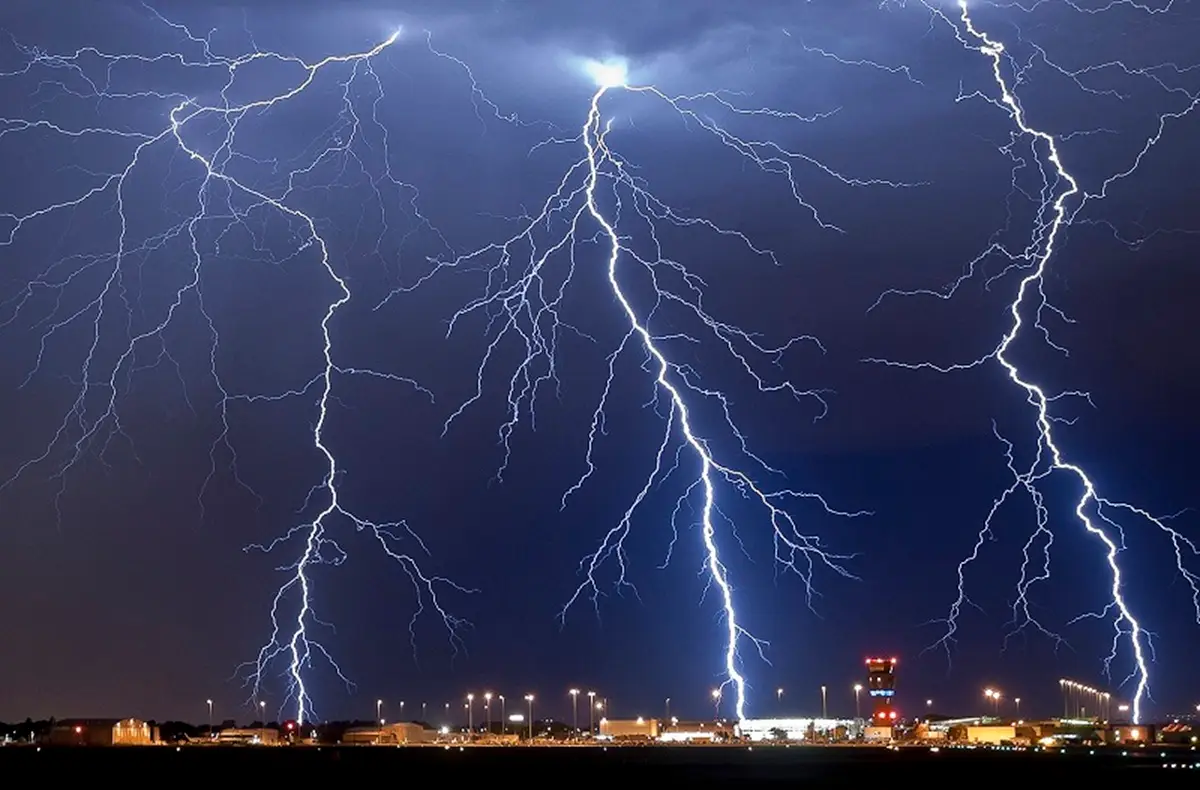
Netherlands Lightning: Lightning Storm Batters the Netherlands After Record-Breaking Heatwave
Following the record-breaking heatwave that scorched Europe, the Netherlands witnessed a breathtaking yet terrifying display of nature.
Lightning Storm Batters the Netherlands After Record-Breaking Heatwave
Following the record-breaking heatwave that scorched Europe, the Netherlands witnessed a breathtaking yet terrifying display of nature. On June 28, a powerful thunderstorm accompanied by intense lightning struck Amsterdam and surrounding areas, shaking the country.
🇳🇱 NETHERLANDS: Netherlands experienced an extraordinary thunderstorm outbreak on June 27, recording more than 300,000 lightning strikes in a single day—its highest daily total on record.
— Wolverine Update (@W0lverineupdate) June 28, 2026
Amsterdam endured nearly four hours of continuous lightning and torrential rain, while at…
More Than 300,000 Lightning Strikes in 24 Hours
More than 300,000 lightning strikes were recorded across the Netherlands within just 24 hours, making it one of the largest lightning outbreaks witnessed in Europe in recent years. The skies remained illuminated by continuous lightning and heavy rain for nearly four hours.
At the peak of the storm, around 30,000 lightning strikes were recorded across the Netherlands and northern Germany within just 30 minutes, according to the Dutch meteorological agency KNMI. That translates to an average of 17 lightning strikes every second.
What Triggered the Massive Lightning Outbreak?
While intense lightning storms are common during India’s monsoon season, they are relatively rare in European countries like the Netherlands. However, this unusual weather event was triggered by an extended period of extreme heat.
For the first time in its history, the country had issued a Code Red heat warning. Temperatures in Amsterdam remained above 30°C for more than a week, with some regions recording temperatures close to 40°C.
When a mass of cold air moved into the region, it collided with the hot, moisture-laden air that had built up during the heatwave. This rapid atmospheric clash led to the formation of powerful thunderclouds and an explosive thunderstorm. Authorities later issued a Code Orange weather warning as the storm intensified.
Widespread Damage and Fear
Although the lightning created spectacular scenes across the sky, it also caused significant destruction. Several fires were reported after lightning strikes in Groningen, Utrecht, Amsterdam, and other northern regions.
In Landsmeer, one person was injured after a house caught fire following a lightning strike. In Toornwerd, lightning ignited a barn, killing two calves.
Several areas also experienced hailstones as large as golf balls. Residents described the sky as flashing continuously “like a strobe light” for hours due to the relentless lightning activity.
A Stark Warning on Climate Change
Scientists believe the extraordinary event is another clear indication of the growing impact of climate change. As global temperatures rise, the atmosphere is able to hold more moisture and energy, increasing the likelihood of more intense thunderstorms, heavier rainfall, and other extreme weather events.
Experts also argue that without human-induced global warming, the severe June heatwave across Europe would have been highly unlikely.
The lightning outbreak over the Netherlands serves as a powerful reminder that rising temperatures are not merely about hotter days—they are also driving increasingly dangerous and destructive weather events around the world.
ഭൂമിയിൽ ഓക്സിജനും വെള്ളവും ഇല്ലാതാകുമോ? ഒരു ദിവസം ഭൂമിയിലെ ജീവൻ അവസാനിക്കുമോ? പഠനം പറയുന്നത് ഇങ്ങനെ
ഭൂമിയിൽ ജീവൻ നിലനിൽക്കാൻ പ്രധാനമായ ഓക്സിജനും വെള്ളവും കോടിക്കണക്കിന് വർഷങ്ങൾക്കുശേഷം കുറയുമോ? ഈ ചോദ്യം കാലങ്ങളായി ചോദിച്ചു വരുന്നതാണ്. ഗവേഷകരുടെ പഠനം പറയുന്നത്, സൂര്യന്റെ താപം ക്രമേണ വർധിക്കുന്നതോടെ ഭൂമിയുടെ അന്തരീക്ഷത്തിലും കാലാവസ്ഥയിലും വലിയ മാറ്റങ്ങളുണ്ടാകാമെന്നാണ്. ഉപരിതലജലത്തിന്റെ ഭൂരിഭാഗവും നഷ്ടപ്പെടുന്നതിനു മുമ്പുതന്നെ അന്തരീക്ഷത്തിലെ ഓക്സിജന്റെ അളവ് ഗണ്യമായി കുറഞ്ഞേക്കാമെന്നും പഠനം മുന്നറിയിപ്പ് നൽകുന്നു.
ഭൂമിയുടെ പലമാറ്റങ്ങളും നിരീക്ഷിച്ചുള്ള പഠനം
2021-ൽ നേച്ചർ ജിയോസയൻസ് (Nature Geoscience) ജേണലിൽ പ്രസിദ്ധീകരിച്ച പഠനമനുസരിച്ച്, ഓക്സിജൻ സമ്പുഷ്ടമായ ഭൂമിയുടെ അന്തരീക്ഷത്തിന് ശരാശരി 108 കോടി വർഷത്തോളം കൂടി നിലനിൽക്കാനാകും. ജപ്പാനിലെ തോഹോ സർവകലാശാലയിലെ കസുമി ഒസാകിയും ജോർജിയ ഇൻസ്റ്റിറ്റ്യൂട്ട് ഓഫ് ടെക്നോളജിയിലെ ക്രിസ്റ്റഫർ ടി. റെയ്ൻഹാർഡും ചേർന്നാണ് പഠനം നടത്തിയത്. സൂപ്പർ കമ്പ്യൂട്ടർ മാതൃകകളുടെ സഹായത്തോടെ ഭൂമിയുടെ അന്തരീക്ഷത്തിന്റെ ദീർഘകാല പരിണാമവും ഓക്സിജന്റെ അളവിലുണ്ടാകാവുന്ന മാറ്റങ്ങളുമാണ് ഗവേഷകർ വിലയിരുത്തിയത്.
ചൂട് കാരണം ജീവജാലങ്ങൾ ക്രമേണ ഇല്ലാതാകും
സൂര്യന്റെ ചൂട് വർധിക്കുന്നതോടെ ഭൂമിയിലെ കാർബൺ ചക്രത്തിലും കാലാവസ്ഥയിലും മാറ്റങ്ങളുണ്ടാകും. ഇതിന്റെ ഫലമായി അന്തരീക്ഷത്തിലെ കാർബൺ ഡൈഓക്സൈഡിന്റെ ലഭ്യത കുറയുകയും സസ്യങ്ങളുടെ പ്രകാശസംശ്ലേഷണത്തെ ബാധിക്കുകയും ചെയ്യാം.
ഇതോടെ അന്തരീക്ഷത്തിലേക്ക് ഓക്സിജൻ എത്തിക്കുന്നതിന്റെ അളവും കുറയാനുള്ള സാധ്യതയുണ്ട്. ദീർഘകാലാടിസ്ഥാനത്തിൽ അന്തരീക്ഷത്തിലെ ഓക്സിജന്റെ അളവ് ജീവജാലങ്ങൾക്ക് നിലനിൽക്കാൻ കഴിയാത്ത നിലയിലേക്ക് താഴ്ന്നേക്കാമെന്നാണ് ഗവേഷകരുടെ വിലയിരുത്തൽ.
എല്ലാ ജീവജാലങ്ങളും ഒരേ സമയം ഇല്ലാതാകില്ല
ഓക്സിജന്റെ അളവ് കുറയുന്നത് മനുഷ്യരുൾപ്പെടെയുള്ള ജീവജാലങ്ങളുടെ നിലനിൽപ്പിന് വലിയ വെല്ലുവിളിയാകും. അതേസമയം, ഭൂമിയിലെ എല്ലാ ജീവികളും ഒരേസമയം ഇല്ലാതാകുമെന്നല്ല പഠനം പറയുന്നത്. വ്യത്യസ്ത ജീവിവർഗങ്ങൾക്ക് വ്യത്യസ്തമായ സാഹചര്യങ്ങളിൽ അതിജീവിക്കാൻ കഴിയുമെന്നതും ഗവേഷകർ പരിഗണിക്കുന്നു.
ഭൂഖണ്ഡങ്ങളുടെ വിന്യാസത്തിലുണ്ടാകുന്ന മാറ്റങ്ങൾ, സൂര്യന്റെ വർധിക്കുന്ന താപം, അന്തരീക്ഷത്തിലെ കാർബൺ ഡൈഓക്സൈഡിന്റെ അളവിലെ വ്യതിയാനങ്ങൾ എന്നിവ ഭൂമിയുടെ പല ഭാഗങ്ങളെയും കൂടുതൽ ചൂടുള്ളതും വരണ്ടതുമാക്കാം. ചില പ്രദേശങ്ങളിൽ താപനില 40 മുതൽ 50 ഡിഗ്രി സെൽഷ്യസ് വരെയെത്താനും സാധ്യതയുണ്ട്.
ഉയർന്ന താപനിലയും അന്തരീക്ഷത്തിലെ ഈർപ്പവും ഒരേസമയം വർധിക്കുന്ന സാഹചര്യത്തിൽ മനുഷ്യരുൾപ്പെടെയുള്ള സസ്തനികൾക്ക് ശരീരത്തിലെ ചൂട് പുറന്തള്ളുന്നത് പ്രയാസകരമാകും. മനുഷ്യർക്ക് ഇന്ന് അനുയോജ്യമായ ഭൂമിയുടെ അന്തരീക്ഷം എന്നെന്നും ഇതേ നിലയിൽ തുടരണമെന്നില്ലെന്ന ഓർമപ്പെടുത്തൽ കൂടിയാണ് ഈ പഠനങ്ങൾ പറയുന്നത്.
English Summary : Will Earth run out of oxygen, Future of Earth, When will life on Earth end, Nature Geoscience Earth study, Sun warming Earth atmosphere, Loss of oxygen on Earth.